

Dental Bonding
Port of Spain, Trinidad
We offer dental bonding as an effective procedure to restore damaged teeth or make aesthetic improvements to enhance your smile. This cosmetic dentistry solution is known for being affordable, durable, and long-lasting. Its non-invasive nature makes it an ideal restoration option for both children and adults, especially those with busy schedules who may not have time for more extensive procedures like dental veneers or crowns.
While dental bonding may not be as widely known as some other cosmetic treatments, it is a reliable and versatile solution for various dental issues. The procedure involves applying a tooth-colored composite resin to the affected tooth, shaping it to achieve the desired result, and then hardening it with a special light. This process can typically be completed in a single visit, making it convenient for patients with time constraints.
Dental bonding can address a range of cosmetic and functional concerns, including:
- Repairing chipped or cracked teeth
- Closing small gaps between teeth
- Improving the shape of misshapen teeth
- Covering discolored areas of teeth
- Protecting exposed tooth roots due to gum recession
The results of dental bonding can last for several years with proper care and maintenance. It’s an excellent option for those seeking a quick, effective way to improve their smile without extensive dental work.
If you’re interested in learning more about restorative bonding and how it can benefit your smile, we encourage you to schedule a consultation with our dental office. During your visit, we can examine your teeth, discuss your goals, and determine if dental bonding is the right solution for your needs. Our experienced team is committed to helping you achieve a healthy, beautiful smile through personalized care and advanced dental techniques.
Don’t hesitate to reach out and book an appointment to explore how dental bonding can transform your smile and boost your confidence. We look forward to helping you achieve the smile you’ve always wanted!
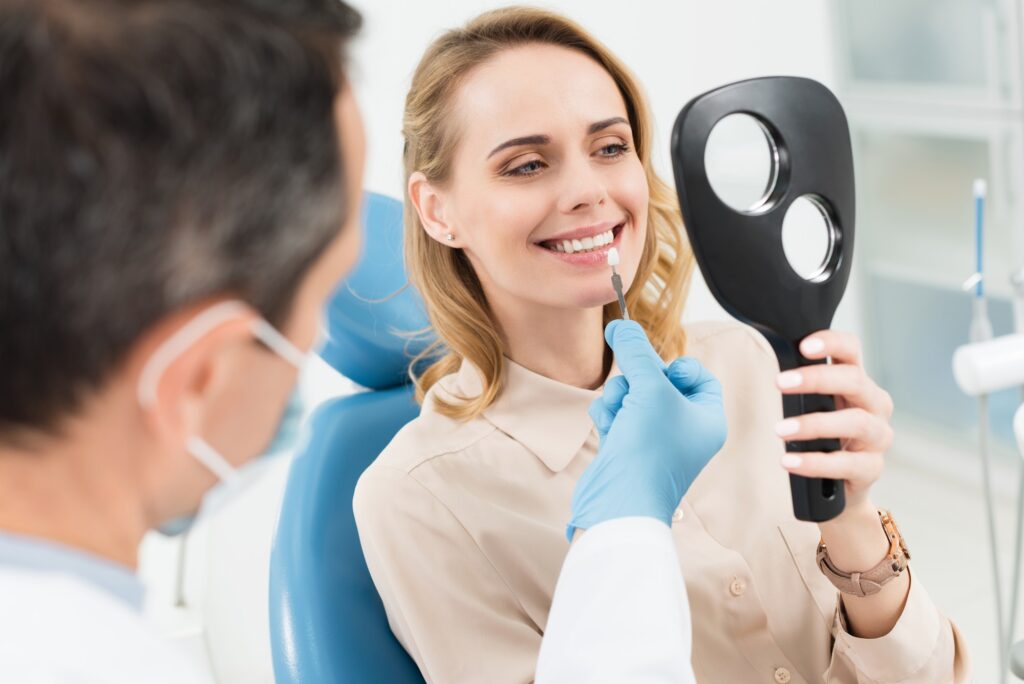
Cosmetic Dental Bonding: A Natural-Looking Solution
If you’ve experienced tooth damage and are seeking a natural-looking restoration, restorative bonding could be an excellent solution for you. This innovative procedure offers a seamless way to repair your smile while maintaining a natural appearance.
The restorative bonding process involves several steps:
- We begin by applying a tooth-colored resin material directly to the affected tooth.
- Our skilled dental professionals then carefully shape and mold the resin to match the contours and appearance of your natural tooth.
- Once the desired shape is achieved, we use a special dental light to harden the resin in place.
- This process effectively bonds the material to your tooth, creating a durable and aesthetically pleasing restoration.
Restorative bonding offers numerous benefits:
- Natural appearance: The color-matched resin blends seamlessly with your existing teeth.
- Minimally invasive: The procedure typically requires little to no removal of existing tooth structure.
- Quick and convenient: Often completed in a single visit, minimizing disruption to your schedule.
- Versatile: Can address various issues such as chips, cracks, gaps, or discoloration.
- Affordable: Generally less expensive than other cosmetic dental procedures.
Our experienced team is committed to ensuring that any restoration you receive enhances the overall appearance of your smile. We take pride in delivering high-quality dental care that not only improves the function of your teeth but also boosts your confidence.
Whether you opt for restorative bonding or another dental solution, our goal is to provide you with a smile that looks amazing and feels natural. We utilize the latest techniques and materials to achieve optimal results tailored to your unique needs and preferences.
If you’re interested in learning more about restorative bonding or other dental restoration options, we encourage you to schedule a consultation with our dental office. Our team will be happy to assess your situation, discuss your goals, and recommend the best treatment plan to restore your smile to its full potential.

Frequently Asked Questions About Restorative Bonding
Q. Can dental cosmetic bonding fix my child’s chipped tooth?
A. Dental cosmetic bonding can indeed be an excellent solution for repairing a child’s chipped tooth. Here’s a comprehensive overview of using dental bonding for this purpose:
- Suitability:
- Ideal for minor to moderate chips in teeth
- Safe and effective for children
- Less invasive than other restorative options
- Procedure:
- Quick, usually completed in a single visit
- Painless, often requiring no anesthesia
- Minimally invasive, preserving natural tooth structure
- Durability:
- Lasts several years with proper care
- Can be touched up or replaced as the child grows
- Aesthetics:
- Matches the color of the natural tooth
- Restores the tooth’s shape and appearance
- Versatility:
- Can be used on both primary (baby) and permanent teeth
- Suitable for front and back teeth
- Advantages for children:
- No extensive preparation required
- Immediate results
- Comfortable procedure, reducing dental anxiety
- Maintenance:
- Easy to care for with regular brushing and flossing
- May require some dietary adjustments to prevent damage
- Future considerations:
- Can be replaced with more permanent solutions as the child grows
- Doesn’t interfere with future dental work if needed
- Cost-effectiveness:
- Generally more affordable than crowns or veneers
- Often covered by dental insurance for restorative purposes
- Limitations:
- May not be suitable for very large chips or breaks
- Less durable than crowns for teeth under high stress
It’s important to consult with a pediatric dentist or a dentist experienced in treating children to determine if dental bonding is the best option for your child’s specific case. They can assess the extent of the damage and recommend the most appropriate treatment.
Q. Will a tooth bonding procedure be uncomfortable?
A. Not at all. A tooth bonding procedure is generally considered to be one of the most comfortable dental treatments available. Here’s a comprehensive overview of what you can expect in terms of comfort during the procedure:
- Pain level:
- Typically painless
- Most patients experience little to no discomfort
- Anesthesia:
- Often not required for simple bonding procedures
- Local anesthesia may be used if the bonding is near the nerve or for sensitive patients
- Procedure duration:
- Usually completed in 30-60 minutes per tooth
- Short duration contributes to overall comfort
- Non-invasive nature:
- Minimal to no removal of tooth structure
- Less invasive than other cosmetic procedures like veneers or crowns
- Sensation during the procedure:
- You may feel the dentist working on your tooth
- Pressure sensation is common, but not pain
- Temperature sensitivity:
- Some patients may experience brief sensitivity to the curing light
- This is temporary and not painful
- Post-procedure comfort:
- Most patients can resume normal activities immediately
- Minor sensitivity to hot and cold may occur but usually subsides quickly
- Adjustments:
- Your dentist will check and adjust your bite for comfort
- Any rough spots can be smoothed out easily
- Psychological comfort:
- The procedure is quick and straightforward, reducing anxiety for most patients
- Comparison to other procedures:
- Generally more comfortable than fillings, crowns, or other restorative work
- Patient control:
- You can communicate with your dentist throughout the procedure if you experience any discomfort
- Aftercare:
- Minimal aftercare required, contributing to overall comfort
While individual experiences may vary, most patients find tooth bonding to be a very tolerable and comfortable dental procedure. If you have concerns about comfort or anxiety about dental treatments, don’t hesitate to discuss these with your dentist. They can provide additional measures to ensure your comfort throughout the process.
Q. Can Restorative bonding be used to fill gaps in between my teeth?
Yes, restorative bonding can be an effective solution for filling gaps between teeth. Here’s a comprehensive overview of using dental bonding to address this cosmetic concern:
- Suitability:
- Ideal for small to moderate gaps (diastemas)
- Particularly effective for gaps between front teeth
- Procedure:
- Minimally invasive
- Usually completed in a single visit
- No need for removing tooth structure
- Process:
- Tooth-colored resin is applied to the sides of the teeth
- Material is shaped to close the gap
- Bonding is hardened with a special light
- Aesthetics:
- Provides a natural-looking result
- Color-matched to your existing teeth
- Durability:
- Can last several years with proper care
- May need touch-ups or replacement over time
- Advantages:
- More affordable than veneers or orthodontics
- Faster results compared to orthodontic treatment
- Reversible if you decide to pursue other options later
- Limitations:
- May not be suitable for very large gaps
- Not as long-lasting as some other cosmetic options
- Maintenance:
- Regular dental hygiene practices are sufficient
- Avoid habits that could damage the bonding (e.g., biting nails)
- Versatility:
- Can be combined with other cosmetic procedures for a complete smile makeover
- Considerations:
- Best for patients with otherwise healthy teeth and gums
- May not address underlying orthodontic issues
- Alternative options:
- Your dentist may discuss veneers or orthodontics for larger gaps
- Consultation importance:
- A dental professional can assess if bonding is the best option for your specific case
Restorative bonding offers a quick and effective way to close small gaps between teeth, improving the overall appearance of your smile.
Q. Can Restorative Bonding reshape my teeth?
Yes, restorative bonding is an excellent option for reshaping teeth. Here’s a comprehensive overview of how bonding can be used to alter tooth shape:
- Versatility:
- Can address various shape issues: uneven, chipped, or misshapen teeth
- Useful for lengthening short teeth or rounding pointed teeth
- Procedure:
- Minimally invasive, preserving natural tooth structure
- Usually completed in a single appointment
- Typically doesn’t require anesthesia
- Process:
- Tooth-colored resin is applied to the tooth
- Dentist sculpts the resin to achieve desired shape
- Material is hardened with a special light
- Customization:
- Highly customizable to meet individual aesthetic goals
- Can be adjusted for symmetry with surrounding teeth
- Natural appearance:
- Resin is color-matched to blend with natural teeth
- Provides seamless integration with your smile
- Applications:
- Correcting minor irregularities in tooth shape
- Improving overall tooth proportions
- Filling in chips or worn edges
- Advantages:
- More affordable than veneers or crowns
- Reversible if other options are desired later
- Quick results compared to orthodontic treatments
- Durability:
- Can last several years with proper care
- May require touch-ups over time
- Maintenance:
- Regular dental hygiene practices are sufficient
- Avoid habits that could damage bonding (e.g., biting hard objects)
- Limitations:
- May not be suitable for major shape alterations
- Not as long-lasting as some other cosmetic options
- Considerations:
- Best for patients with otherwise healthy teeth and gums
- Your dentist will assess if bonding is appropriate for your case
- Combination treatments:
- Can be used alongside other cosmetic procedures for comprehensive smile makeovers
Restorative bonding offers a quick, effective way to reshape teeth and enhance your smile’s appearance.
Q. Will cosmetic bonding help if my teeth are stained?
Yes, cosmetic bonding can be an effective solution for stained teeth. Here’s a comprehensive overview of how bonding can address tooth discoloration:
- Effectiveness:
- Can cover a wide range of stains and discolorations
- Particularly useful for intrinsic stains that don’t respond to whitening
- Procedure:
- Minimally invasive, preserving natural tooth structure
- Usually completed in a single appointment
- Typically doesn’t require anesthesia
- Process:
- Tooth-colored resin is applied over the stained area
- Material is color-matched to desired shade
- Bonding is shaped and polished to blend with natural teeth
- Types of stains addressed:
- Tetracycline stains
- Fluorosis marks
- Age-related discoloration
- Trauma-induced stains
- Customization:
- Shade can be customized to match surrounding teeth
- Can lighten overall tooth appearance
- Advantages:
- Immediate results
- More affordable than veneers
- No recovery time needed
- Durability:
- Can last several years with proper care
- May require touch-ups over time
- Maintenance:
- Regular dental hygiene practices
- Avoid staining foods and beverages when possible
- Limitations:
- Not as stain-resistant as natural teeth or porcelain restorations
- May not be suitable for widespread, severe discoloration
- Considerations:
- Best for localized stains or discoloration
- Your dentist will assess if bonding is appropriate for your case
- Alternative options:
- Your dentist may discuss teeth whitening or veneers as alternatives
- Combination treatments:
- Can be used alongside teeth whitening for comprehensive results
Cosmetic bonding offers a quick and effective way to cover stains and improve the overall appearance of discolored teeth.
Q. Is a tooth bonding procedure reversible?
Yes, a tooth bonding procedure is generally considered reversible. Here’s a comprehensive overview of the reversibility of dental bonding:
- Reversibility:
- Bonding can be removed without permanent damage to the underlying tooth structure
- One of the most reversible cosmetic dental procedures available
- Removal process:
- Relatively simple and quick
- Usually completed in one appointment
- Often doesn’t require anesthesia
- Preservation of natural tooth:
- Minimal to no removal of tooth enamel during initial application
- Leaves options open for future treatments
- Reasons for reversal:
- Desire for a different cosmetic procedure (e.g., veneers)
- Dissatisfaction with results
- Wear and tear over time
- Procedure for removal:
- Dentist uses special tools to gently break down the bonding material
- Any remaining adhesive is carefully polished off
- Post-removal condition:
- Tooth typically returns to its original state
- May require slight recontouring or polishing
- Alternative treatments:
- After removal, other cosmetic options can be explored
- Teeth can be left in their natural state if desired
- Considerations:
- Multiple bonding removals may eventually affect tooth enamel
- Discuss any concerns with your dentist before proceeding
- Temporary nature:
- Bonding is often considered a semi-permanent solution
- Can be a good “trial run” for more permanent cosmetic changes
- Professional assessment:
- A dentist should evaluate the specific case before removal
- They can advise on the best approach and potential outcomes
- Timeframe:
- Can be reversed at any point after the procedure
- No need to wait a specific period before removal
- Cost implications:
- Removal is generally less expensive than the initial application
- Consider potential costs of alternative treatments post-removal
The reversible nature of tooth bonding makes it an attractive option for many patients, especially those unsure about committing to more permanent cosmetic dental procedures.
Q. How long does dental bonding last?
Dental bonding can be a durable solution, but its longevity depends on several factors. Here’s a comprehensive overview of the lifespan of dental bonding:
- Average lifespan:
- Typically lasts 3 to 10 years
- Some patients report bonding lasting up to 15 years with excellent care
- Factors affecting longevity:
- Oral hygiene habits
- Diet and lifestyle choices
- Location of the bonded tooth in the mouth
- Size of the bonded area
- Skill of the dentist performing the procedure
- Location considerations:
- Bonding on front teeth may last longer due to less biting force
- Molars and premolars may experience shorter lifespans due to chewing pressure
- Maintenance impact:
- Regular dental check-ups can help prolong bonding life
- Professional cleanings can help maintain bonding integrity
- Habits affecting durability:
- Teeth grinding or clenching can shorten bonding lifespan
- Biting nails or hard objects can damage bonding
- Comparison to other procedures:
- Generally not as long-lasting as veneers or crowns
- More durable than temporary fixes like dental wax
- Signs of wear:
- Discoloration
- Chipping or cracking
- Separation from the natural tooth
- Replacement process:
- Relatively simple and can often be done in one visit
- Old bonding can be removed and new material applied
- Factors shortening lifespan:
- Smoking
- Excessive consumption of staining foods/drinks
- Poor oral hygiene
- Protective measures:
- Using a nightguard for teeth grinders
- Avoiding biting on hard objects or foods
- Color stability:
- May discolor over time, especially with exposure to staining substances
- Unlike natural teeth, bonding material doesn’t respond to whitening treatments
- Regular monitoring:
- Your dentist can assess the condition of bonding during routine check-ups
While dental bonding can be a long-lasting solution, its lifespan varies based on individual circumstances and care. Regular dental visits and good oral hygiene practices can help maximize its durability.
Questions Answered on This Page
People Also Ask
Q. Why do people wear mouth guards?
Q. Why is preventative dental care so important?
Q. What can I do to repair damaged teeth?

Definition of Dental Terminology
Cosmetic Dentistry
Cosmetic dentistry is generally used to refer to any dental work that improves the appearance (though not necessarily the function) of a person’s teeth, gums and/or bite.
Tooth Decay
Tooth decay is when the enamel of the tooth begins to decay and cause erosion from plaque and tartar on the teeth.
Dental Caries
Dental caries are also known as cavities and result from a lack of proper oral hygiene leaving plaque that forms tiny holes in the teeth.
Dental Checkup
A dental checkup is an appointment that involves cleaning the teeth, identifying any signs of infection and removing said signs of infection at least once every six months in the office.
Dental Filling
A Dental filling involves restoring the structure of the tooth by using metal, alloy, porcelain or plastic to fill the tooth.
Dental Prophylaxis
A dental prophylaxis is a professional and detailed cleaning that involves the removal of plaque, calculus and stains from the teeth.
Dental Sealants
Dental sealants contain a resinous material that we apply to the chewing surfaces of the posterior teeth to prevent dental caries.
Dentist
A dentist, also known as a dental surgeon, is a doctor who specializes in the diagnosis, prevention, and treatment of diseases and conditions of the oral cavity.
Gingivitis
Gingivitis is the inflammation of gum tissue that results from plaque, other infections in the mouth and poor oral hygiene.
Preventive Dentistry
Preventive dentistry is the dentistry that focuses on maintaining oral health in order to prevent the spread of plaque, the formation of tartar and infections in the mouth.
Tartar
Tartar forms when plaque builds up on the surface of the teeth and calcifies into a hard surface that is much more difficult to remove and will require professional treatment.
Tooth Enamel
Tooth enamel is the protective visible outer surface of a tooth that contains the dentin and dental pulp.